
The recreation myth
nature preserves and the original wound

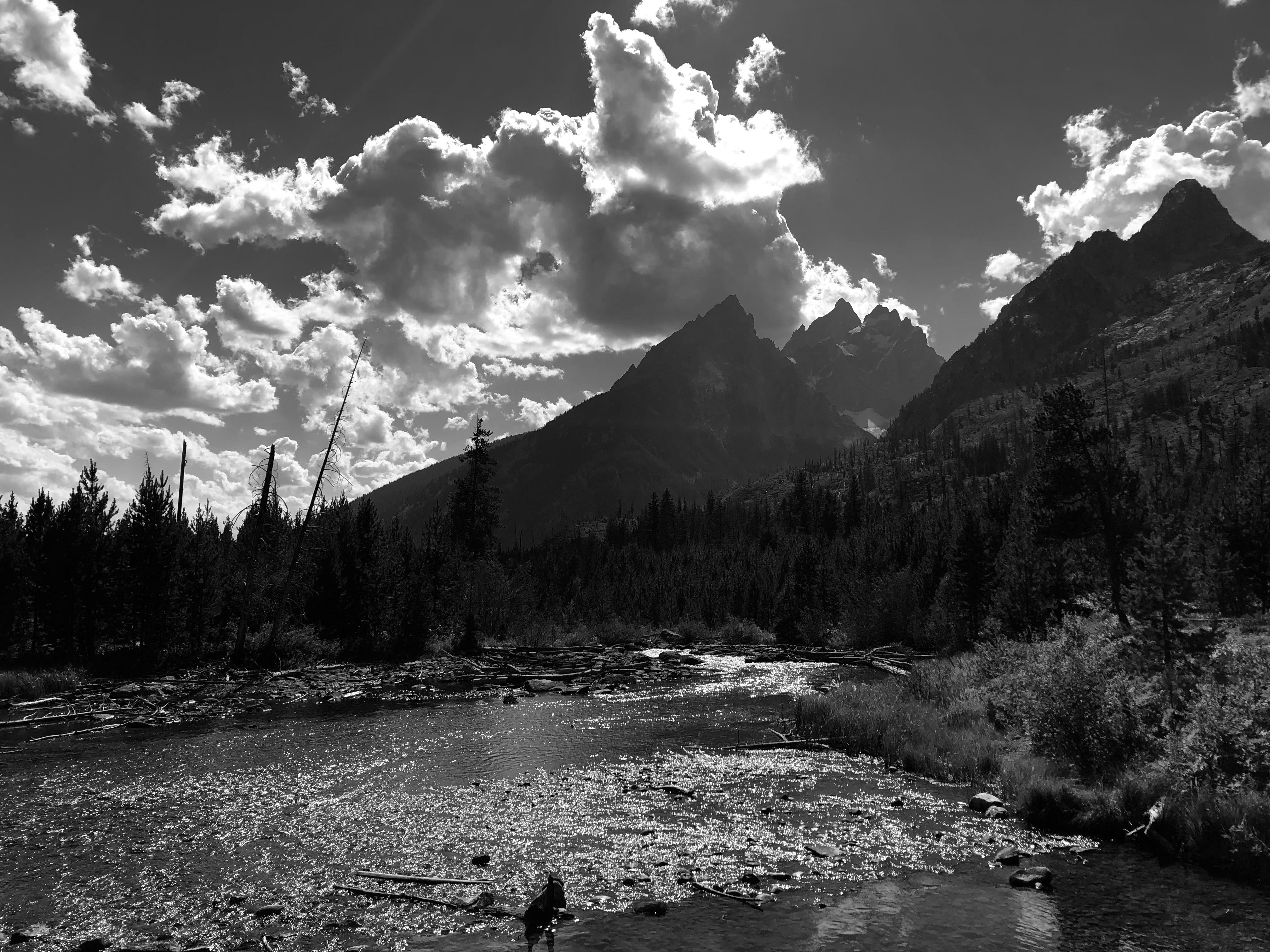
It’s hard to find a more coveted public space than the nature preserve. These swaths of quiet land set aside at the dawn of industrial expansion don an almost mythical aura in our hyper-frenetic modern age; Yosemite, Arches, the Grand Tetons, all titans in their own right, evoking images of grandeur in the American mind. They represent in our cultural lexicon a lost world, a forgotten past, a primordial home.
But this land is not our home, and these myths serve to distort a violent past in service to a whitewashed present. Even further, federal and state officials are quietly working to open these sanctuaries to fossil fuel extraction and luxury development, fundamentally undermining the health and longevity of our last wild bastions.
The silence of erasure
Flocks of hobbyists and weekend warriors descend on these pockets of solitude to “reconnect” with the wild each year. However, over the last two decades, tourist attendance at some of the most iconic preserved sites has increased exponentially, straining already overworked and underpaid staff as well as further degrading the supposedly hallowed land.
There’s an argument to be made in support of more people getting outside, moving their bodies, and learning about their wild neighbors. But this reconnecting practice often comes at the expense of Indigenous histories, rituals, and sacred spaces, as evidenced by the Bears Ears National Monument controversy.
Not only have we subjected land to the whims of the tourist industry, but we’ve also essentially erased entire histories of Indigenous stewardship.
This country’s canonized poets and writers often wax nostalgic about the beauty, power, and wisdom of these ‘untouched’ spaces; most notoriously John Muir’s exalting descriptions of the American West. But unspoken throughout most of his writing was Muir’s early childhood exposure to Indigenous practices in rural Wisconsin.
In his final reflections at the end of his life, Muir writes in The Story of My Boyhood and Youth detailed accounts of Indigenous peoples, rituals, and land practices — all of which were essentially absent from the rest of his life’s work. As the “father of the national parks system,” Muir’s silence on Indigenous peoples and their removal by force paved the way for a popular historical understanding of our preserved lands as ‘pure’ and undisturbed.
This sanitized and inherently false understanding of the occupied land we call home is one of our most powerful original myths. In the vein of ‘manifest destiny,’ it paints a picture of vast untapped potential just waiting to be subject to our extractive impulses — whether the resource we’re seizing is fuel or a fun hike.
As someone who once unconsciously believed this myth, I find it important today to ask: what exactly are we “recreating” with our presence in these spaces? And if we’re recreating a violent and extractive relationship, are we really honoring these spaces? Or are we simply perpetuating the idea that this land exists solely for us?
Extraction status quo
I was recently involved in a local action against the Ohio Department of Natural Resources’ decision to open preserved land in southeast Ohio to fracking.
These parcels of land, officially designated by the state as wildlife preserves, were put on the legislative chopping block and auctioned off to the highest bidder without any discussion about the ecological and public health risks associated with fracking.
Even in the face of direct, in-person protest, state officials moved swiftly and mechanically to open these lands to drilling. Not only will plant and animal life suffer from the methane pollution and water contamination, but poor and underserved communities who have little to no say in these decisions will suffer the immediate health consequences as well.
This phenomenon is not new, but it represents a particularly tangible example of the state working in service to industry profits at the expense of ‘natural’ spaces and public health. Our myths often lose their veneer in the face of market demands. To the culture untethered to history, all things are objects to be possessed.
Our original wound is our incapacity to reconcile with the inherently violent and genocidal history of our relationship to this land. Without a deep internalizing of this truth, we will continue repeating cycles of abuse and exploitation in the pursuit of an unattainable material solace; we will continue choosing comfort at the expense of our humanity.
The status quo is not static. We are in flux, changing, reconstituting, no matter how petrified culture may seem. There are movements happening all around you, in your neighborhood, at the cafe, by the river. Just this week, Save Ohio Parks, in collaboration with the Ohio Environmental Council & other advocacy groups, filed a lawsuit against the state of Ohio for the decision to open public lands to fracking. The good fight rages on.
Take a breath, visit a friend, talk about your fears, your hopes, your uncertain intuitions. Honor the dead, serve the living, make kin. The work is immense but it is not solitary. We’re weaving new myths now, new stories stitched together through the honesty of pain and the hope of joy. Another world awaits our deserving hand.